
Single Book Printing: Print a Single Copy of Your Book
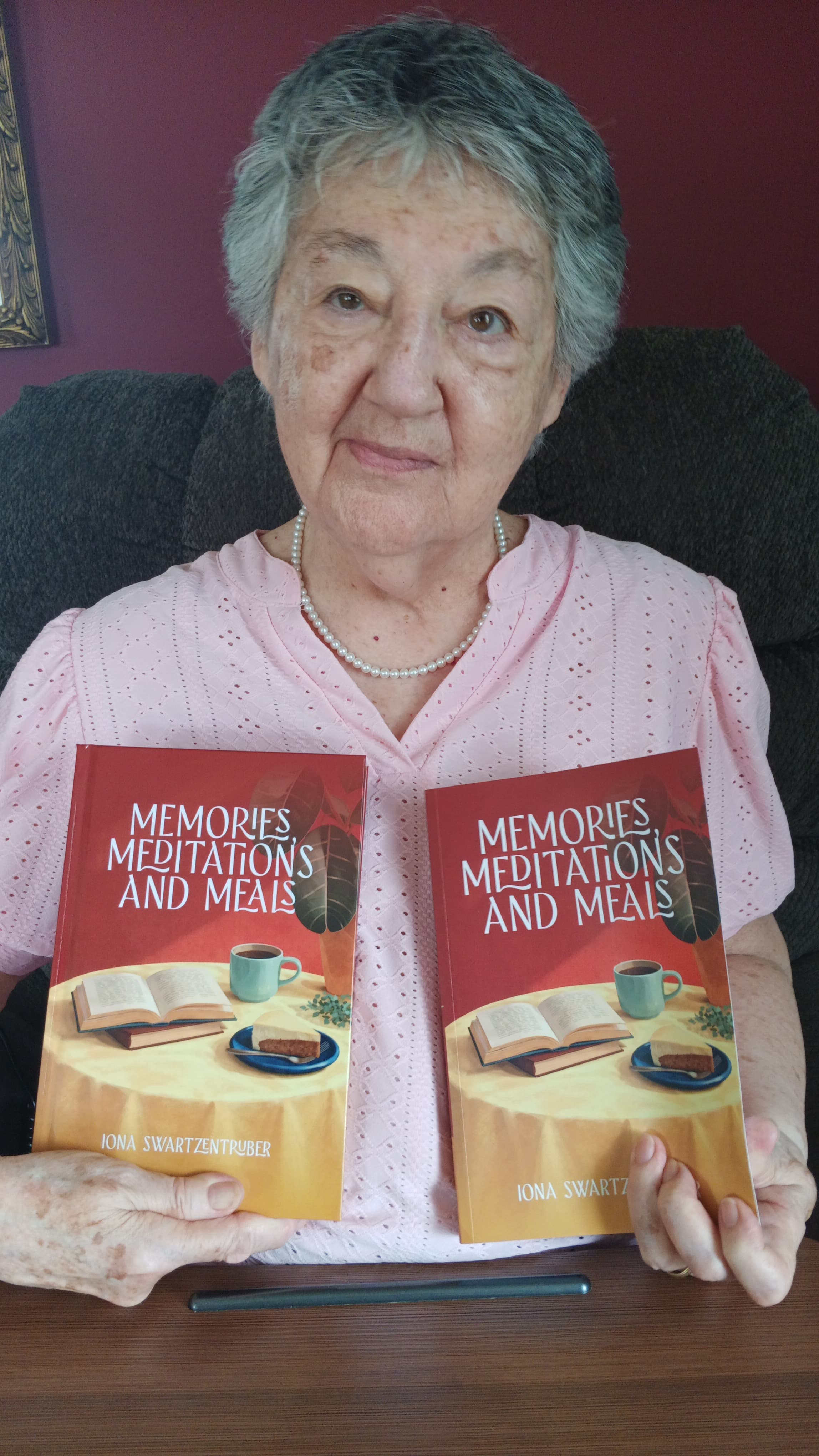
Quick answer: How much does it cost to print a single book?
A single copy has the highest price per copy, because the fixed setup (file checks, proofing and getting the press ready) is carried by one book. The price per copy falls sharply as the quantity rises. Use the book printing cost calculator for an exact price for your trim size, page count, interior and run.
- Single-copy and short-run printing is for proofs, personal copies and a first test of a title.
- Choose perfect-bound paperback for the standard format, or hardcover for a case-bound edition.
- Prepare two print-ready PDFs: the interior at your exact trim size, and the cover as one spread including the spine.
- We print trade sizes including 5.5×8.5 in (140×216 mm), 6×9 in (152×229 mm) and A5 (148×210 mm).
In an era marked by digital convenience, the allure of a beautifully printed book remains unparalleled. The process of single book printing, often hailed as a blend of artistry and technology, allows for the creation of individual literary masterpieces. Whether you’re an author seeking to bring your work to life or a business aiming to capture your brand’s essence, single book printing opens doors to endless possibilities.
Custom book printing for a single copy works the same way as a larger run: you choose the trim size, cover and paper, and we print one book from your files, whether it's a proof before launch, a gift or a personal edition.
Custom book printing, a single copy at a time
At its core, single book printing is an art form that celebrates individuality. Unlike traditional mass printing, which churns out identical copies, single book printing crafts each book as a unique entity. This method caters to those who value personalization, quality, and the tactile experience of holding a one-of-a-kind creation.
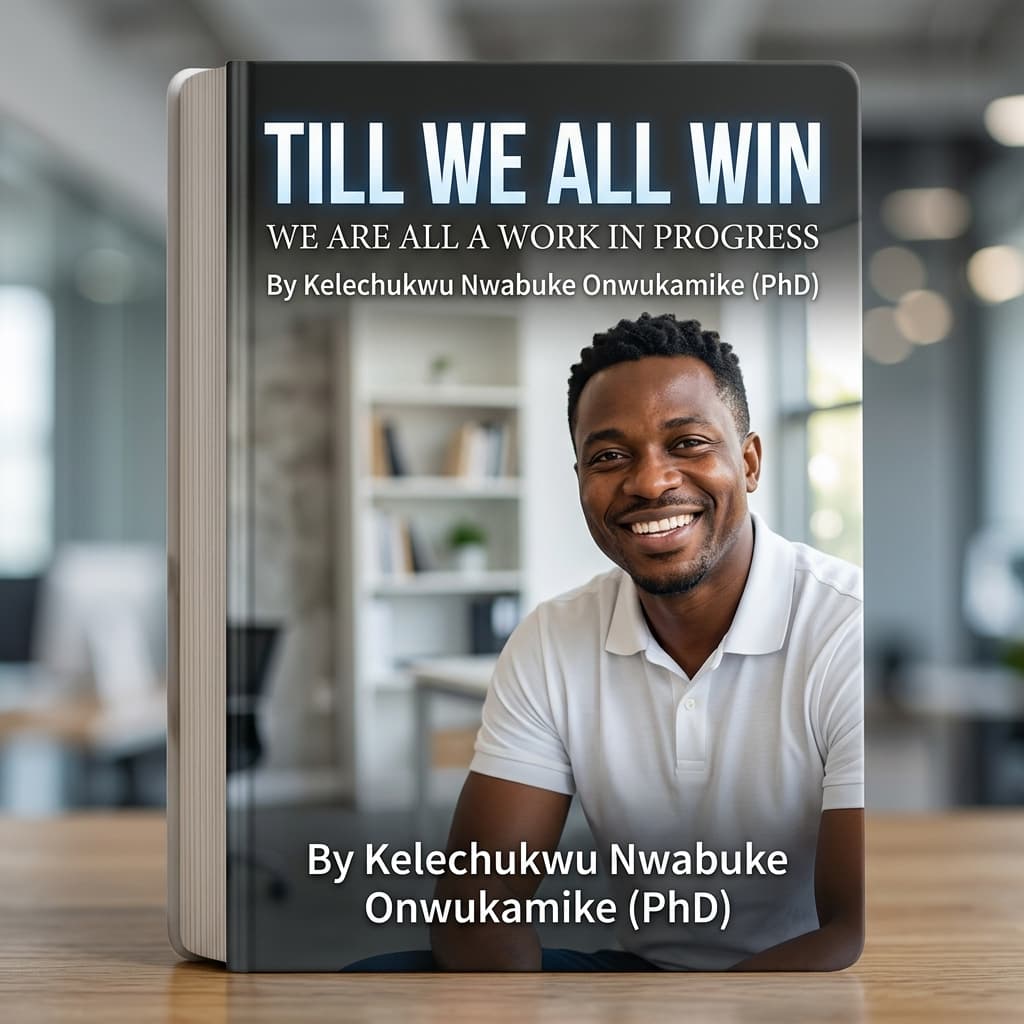
Till we all win
Kelechukwu Nwabuke Onwukamike (PhD)
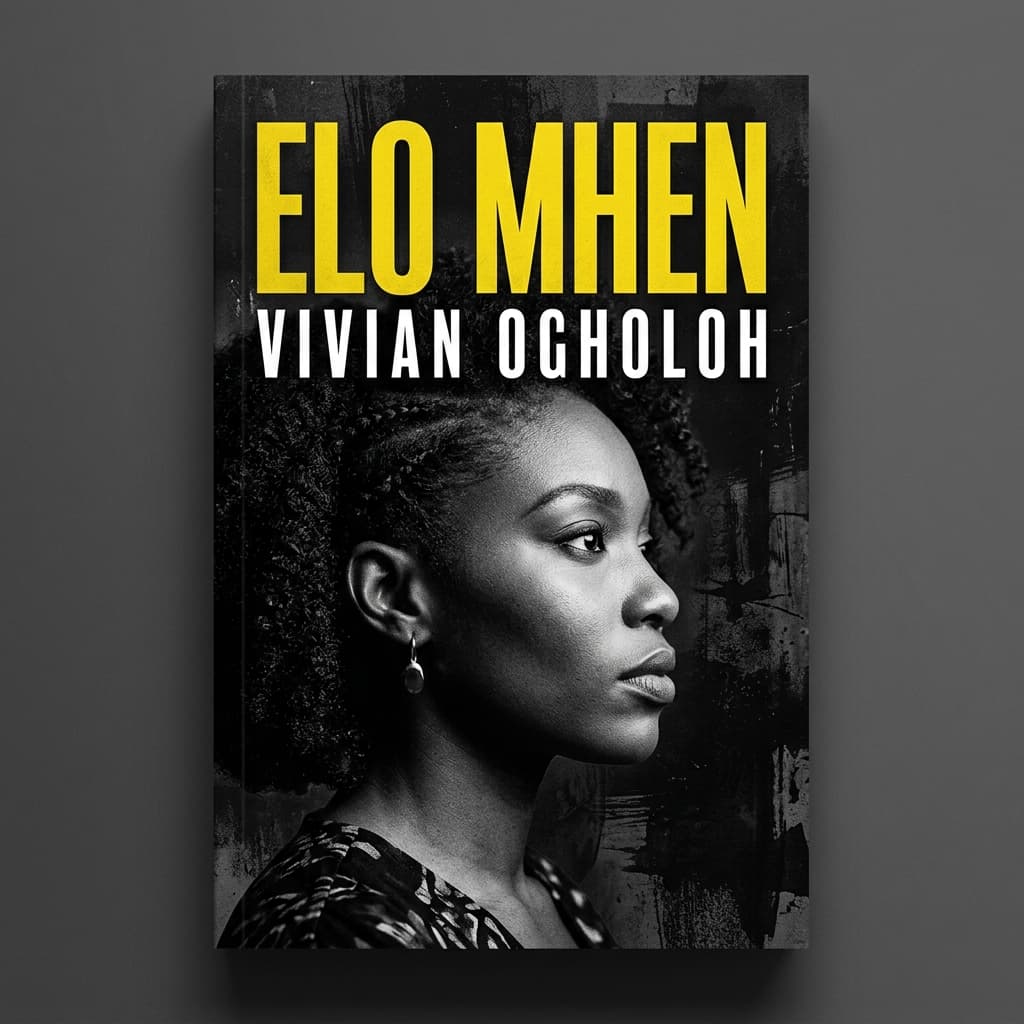
The art of single book printing
Customization and Personalization
One of the most significant advantages of single book printing is the level of customization it offers. Authors can select specific paper types, cover designs, and even font styles that align with their artistic vision.
Cost-Effectiveness
Contrary to the belief that personalization comes at a high cost, single book printing can be surprisingly cost-effective. With on-demand printing, there's no need for large print runs, minimizing unnecessary expenses.
On-demand printing
On-demand printing is a hallmark of single book printing. This means that books are printed as they are ordered, eliminating the need for excessive storage and reducing the risk of overstock.
How much does it cost to print a single book?
The price depends on page count, trim size, paperback or hardcover, interior colour, paper and quantity. As one example, this is what we charge to print a standard 6x9 paperback with a black-and-white interior. A single copy costs more than a copy from a bigger run, which is the trade for printing only what you need.
Printing only; shipping and sales tax are extra. Prices come from our book printing cost calculator, where you can price your own size, binding and page count.
How to print a single book: the process
The journey of creating a single printed book is an intricate one, comprising several stages that shape the final product.
Before the printing process begins, authors need to ensure their manuscripts are formatted correctly. This step involves typesetting, formatting chapters, and fine-tuning the text for print.
The cover design is a critical aspect of a book's appeal. Authors have the freedom to design covers that encapsulate the essence of their work, often resulting in eye-catching and meaningful visuals.
With the manuscript and cover ready, the book goes through the printing process. The chosen printing technique and paper type play a pivotal role in the final aesthetics.

Quality considerations in single book printing
Paper selection
The choice of paper impacts the tactile experience of reading. Authors can choose paper with varying textures and thickness to enhance the overall reading experience.
Printing techniques
Single book printing allows for a range of printing techniques, from digital to offset. Each technique has its advantages, influencing factors like color vibrancy and print quality.
Binding options
Binding methods, such as perfect binding or saddle stitching, determine how the book opens and holds together. The right binding enhances durability and usability.
Single book printing vs. Traditional publishing
In the battle of single book printing versus traditional publishing, the former offers distinct advantages. Traditional publishing often involves larger print runs, while single book printing caters to smaller, personalized quantities.
Target audience for single book printing
Single book printing has a broad target audience, appealing to both individual creators and businesses seeking unique printed materials.
Single book printing for authors and self-publishers
Novelists and Writers
For authors, single book printing allows for the creation of limited edition copies, special releases, or personalized gifts.
Poets and Essayists
Poets and essayists can benefit from single book printing by producing beautifully designed collections that reflect the essence of their work.
Single book printing for businesses and organizations
Marketing collateral
Businesses can leverage single book printing for creating marketing collateral that stands out. This includes brochures, catalogs, and branded materials.
Training manuals
Organizations can produce training manuals and employee handbooks, customized to fit their unique requirements.
Sustainability and single book printing
In an environmentally conscious world, single book printing has adapted to incorporate eco-friendly practices. Soy-based inks, recycled paper options, and reduced waste are all part of the equation.
Case studies: success stories
Numerous success stories underscore the impact of single book printing. Authors and businesses alike have witnessed heightened engagement and appreciation for their uniquely printed creations.
How to Choose the Right Service
Single book printing tips for optimal results
Prioritize thorough proofreading and editing to ensure your content is error-free before sending it for print.
Design your cover thoughtfully, as it serves as the visual representation of your book's essence.
Future trends in single book printing
Advancements in technology continue to shape the world of single book printing, enabling even more intricate customization and rapid production.
Hybrid publishing models, combining traditional and self-publishing methods, are emerging, offering authors and businesses greater flexibility.
Conclusion
In a world awash with digital content, the tangible allure of a beautifully printed book endures. Single book printing stands as a testament to the harmonious blend of craftsmanship and technology. Authors can infuse their narratives with personalization, while businesses can showcase their brand identity in captivating ways. As you embark on this journey, remember that each page, each cover, and each word is a testament to your unique vision.
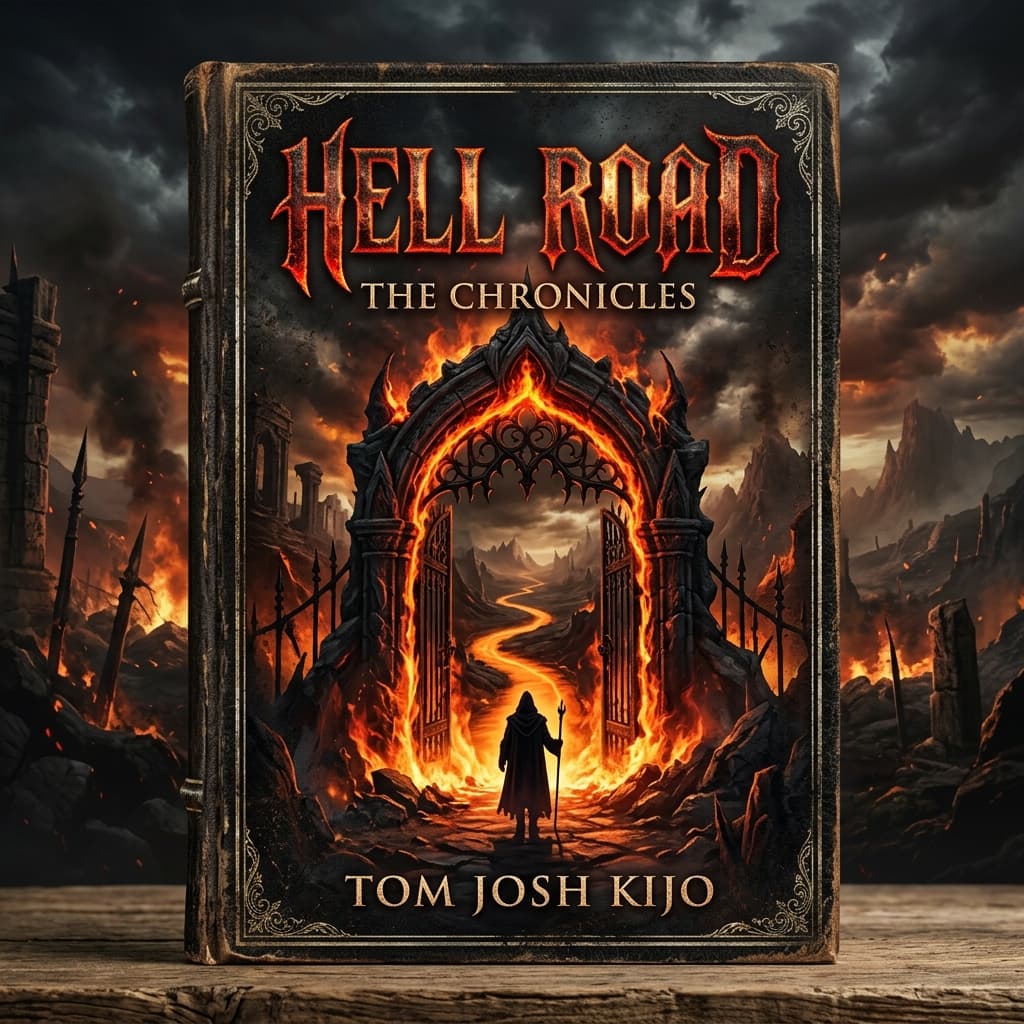
Hell Road
Tom Josh Kijo
FAQs (frequently asked questions)
Q1: How much does it cost to print a single book?
A: Single-copy printing has the highest price per copy, because the fixed setup (file checks, proofing and getting the press ready) is carried by one book instead of being spread across many. Price falls sharply as the quantity rises. Use the book printing cost calculator for an exact price for your trim size, page count, interior and run.
Q2: Can I print just one copy of my book?
A: Yes. Single-copy printing is available, and it is the right route for a proof, a personal copy, or a test of a new title before a larger run. Expect a much higher price per copy than a print run of several hundred.
Q3: What is the difference between single-copy printing and print on demand?
A: Single-copy printing is printing one copy of a finished book; print on demand is the same press used to reprint copies as orders arrive, without holding stock. Cheap “print my PDF” services usually return a bound document — wrong trim, document-grade paper, a cover that will not pass as retail. Book printing uses the trade trims and book stock a shop or reader expects.
Q4: What trim sizes can I print?
A: We print the standard trade sizes, including 5.5×8.5 in (140×216 mm), 6×9 in (152×229 mm) and A5 (148×210 mm), along with larger formats. If your book needs a size that is not listed, tell us in the quote form and we will price it.
Q5: What types of binding are available?
A: Perfect-bound paperback is the standard fiction and non-fiction format and the least expensive. A hardcover adds a case and case-making on top of the same interior. Tell us the format you want and we will price it.
Q6: How do I prepare my files?
A: You need two print-ready PDFs: the interior, formatted to your exact trim size with the correct margins, and the cover, laid out as one spread including the spine width. We can confirm the spine width for your page count and paper before you export.
Q7: How long does single-copy printing take?
A: A single copy or a short run is produced on the digital press, so it is faster than a full offset run. Timelines depend on the spec and our current queue — ask when you request your quote and we will give you a date.
Q8: Can you ship a single copy directly to me or to a reader?
A: Yes. We can print and dispatch straight to you or to a reader, including going direct to a reviewer.
Q9: How much does it cost to print one book?
A: The price depends on page count, trim size, binding and colour. Use the book printing cost calculator for a price for your specific book.
Q10: Is it cheaper to print one book or to order a short run?
A: Per copy, a short run is cheaper than printing single copies, because the setup is shared across more books. For a true one-off, a proof or a gift, printing a single copy is the sensible option.
Q11: Do I need an ISBN to print one book?
A: No. An ISBN is needed for retail distribution. For a personal copy, a proof or a gift, no ISBN is required.
Q12: Can single-copy printing be full colour?
A: Yes. Colour interiors and colour covers are supported. Colour changes the print price, so the price is worked out for the individual book.
Q13: What is the cheapest way to print my book?
A: For a single copy, the cheapest route is usually print on demand on the platform where you will sell the book, such as Amazon KDP or IngramSpark, because there is no setup to pay for. For copies you own, such as a proof, review copies or a short run, a black-and-white interior on standard paper in a paperback costs least, and the price per copy falls quickly as the quantity grows: compare one copy with 5, 10 and 25 in the book printing calculator before you decide.
Q14: How much does a 300 page book cost to print?
A: It depends on the trim size, paper, binding, colour and number of copies, and a single copy costs the most per book. Price your exact 300-page book in the book printing calculator, which shows the printing price straight away; the example prices on this page are for 100 and 200 pages.
Q15: Can I print my own book at Barnes & Noble?
A: Barnes & Noble Press is Barnes & Noble's own self-publishing service: it prints and sells books you publish through it, rather than printing a file for you to own and sell elsewhere. Check its current page for formats and prices. If you want a copy you control, a printing service can print a single copy from your files.
Want to know what your print run will cost? Use the book printing cost calculator to price your trim size, paper, pages and number of copies.
Ready to publish your book?
Compare what each package includes, or send us your questions on WhatsApp.